
How to choose an early education program is an important decision that can shape your child’s confidence, learning habits, and long-term success. With so many options available, it helps to focus on the factors that matter most for your family, including your child’s age, developmental needs, and daily routine.
The right program should provide a safe, nurturing environment while supporting early learning through play, structure, and meaningful relationships. Before enrolling, parents can feel more prepared by understanding what to look for in curriculum quality, teacher qualifications, classroom routines, and communication practices. A thoughtful choice today can create a strong foundation for the years ahead.
What To Look For In An Early Education Center
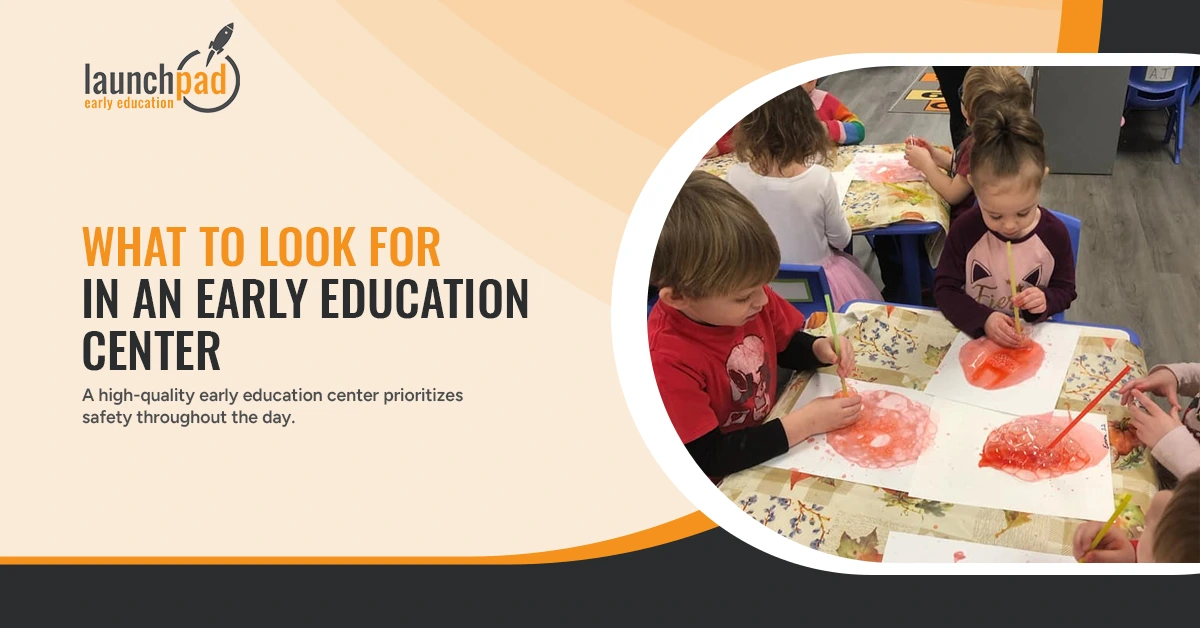
A high-quality early education center prioritizes safety throughout the day. Look for secure entry procedures, consistent check-in and check-out routines, and active supervision during classroom activities, outdoor play, and transitions. Staff should be trained to respond calmly and quickly in emergencies, and classrooms should be arranged to prevent common safety risks.
Key safety elements to confirm include:
- Controlled building access and visitor policies
- Safe outdoor play areas with age-appropriate equipment
- Clear emergency plans and regular safety drills
- First aid and CPR training for staff
Teacher Qualifications And Classroom Ratios
Teachers play one of the most critical roles in your child’s early learning experience. Ask about staff training, early childhood education credentials, and ongoing professional development. In addition, teacher-to-child ratios matter because smaller ratios allow more individualized attention, stronger relationships, and better guidance throughout the day.
Look for educators who are attentive, patient, and actively engaged rather than simply observing from a distance.
Cleanliness, Health Policies, And Consistent Routines
Healthy environments support learning and reduce frequent interruptions. A strong center should have clear illness guidelines, daily cleaning practices, and consistent routines that help children feel secure. Predictable schedules help children transition more smoothly between activities and build healthy habits over time.
Important details to ask about:
- How toys and high-touch surfaces are sanitized
- Diapering and toileting procedures
- Food handling and allergy awareness
- Policies for illness and return-to-care requirements
Curriculum Quality And Age-Appropriate Learning Goals
The right early education center offers more than basic supervision. Ask how learning is structured, what skills are taught by age, and how teachers support development in language, early math, motor skills, and social-emotional growth. Quality programs balance play with intentional instruction and create opportunities for children to practice independence.
Classroom Environment And Learning Materials
When you tour, notice how the classroom feels. Materials should be accessible, organized, and designed for hands-on learning. Children should have space to explore, create, and work together. A welcoming classroom often includes a mix of books, sensory activities, art materials, and centers for pretend play, problem-solving, and movement.
A strong early education center should feel safe, supportive, and purposefully designed to help children learn with confidence each day.
Early Education Program Comparison: Understanding Different Program Types
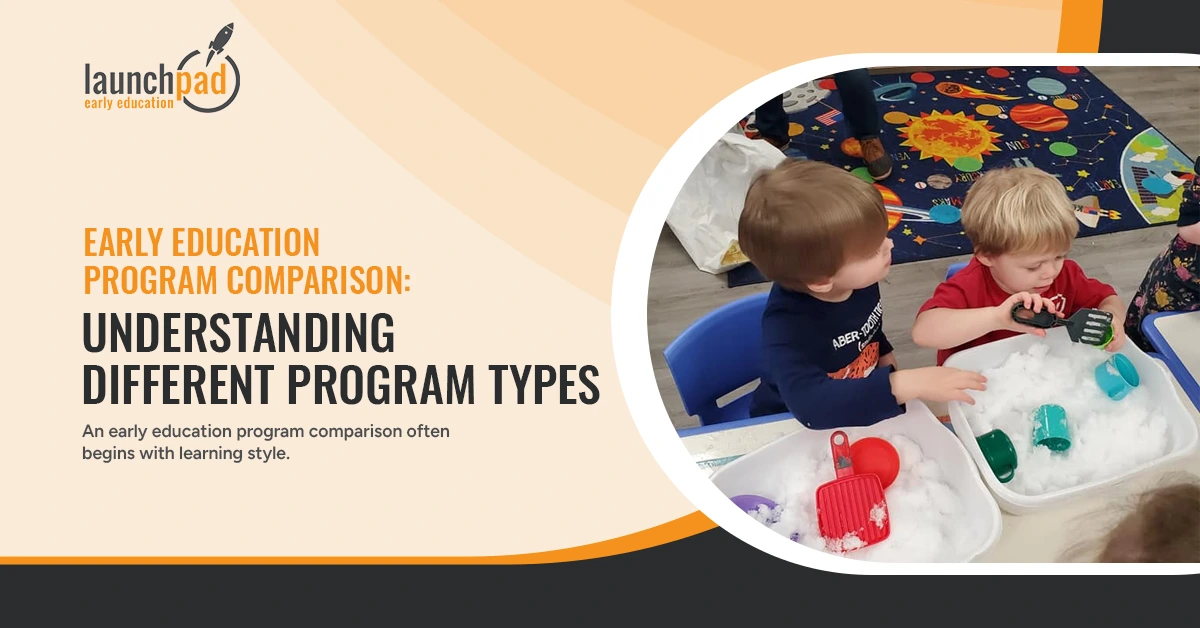
An early education program comparison often begins with learning style. Play-based programs focus on exploration, creativity, and social development, using hands-on activities to naturally build early skills. Academic-focused programs may introduce structured lessons earlier, including letter recognition, counting, and guided worksheets. Many strong centers blend both approaches by offering playful learning with intentional instruction, ensuring children stay engaged while meeting developmental goals.
A balanced program often includes:
- Guided play that supports language and problem-solving
- Small-group learning for early literacy and math readiness
- Daily routines that build independence and confidence
Preschool, Pre-K, And Early Learning Programs: Key Differences
Preschool typically supports early development through social skills, communication, and foundational learning. Pre-K is usually designed for children closer to kindergarten age, with more structured readiness activities and longer attention-building tasks. Early learning programs may include infant and toddler care, focusing on nurturing routines, sensory development, and early milestones. Understanding these differences helps you choose a program that matches your child’s current needs rather than rushing toward academics too soon.
Montessori, Reggio Emilia, And Traditional Approaches
Montessori classrooms often emphasize independence, self-paced learning, and hands-on materials. Reggio Emilia programs tend to be child-led and project-based, encouraging collaboration, creativity, and open-ended exploration. Traditional programs may follow a set schedule with teacher-guided activities and structured skill development. When reviewing these approaches, consider how your child learns best and how the classroom supports both curiosity and structure.
Full-Time Vs. Part-Time Scheduling Options
The schedule can impact your child’s adjustment and consistency. Full-time programs may be best for families needing reliable care, offering steady routines that help children feel secure. Part-time programs can work well for families who want early education support while maintaining more time at home. It is helpful to ask how each schedule supports transitions, nap routines, and continuity in learning.
Specialized Support For Individual Development Needs
Some children benefit from additional developmental support, including speech therapy, sensory support, or social-emotional guidance. Look for programs that communicate clearly, adapt when needed, and partner with families respectfully. A strong center will explain how teachers observe progress and how they support each child without labeling or unnecessary pressure.
The right program type should fit your child’s age, temperament, and learning style while supporting steady growth in a caring environment.
How To Find The Best Early Education Program Near Me
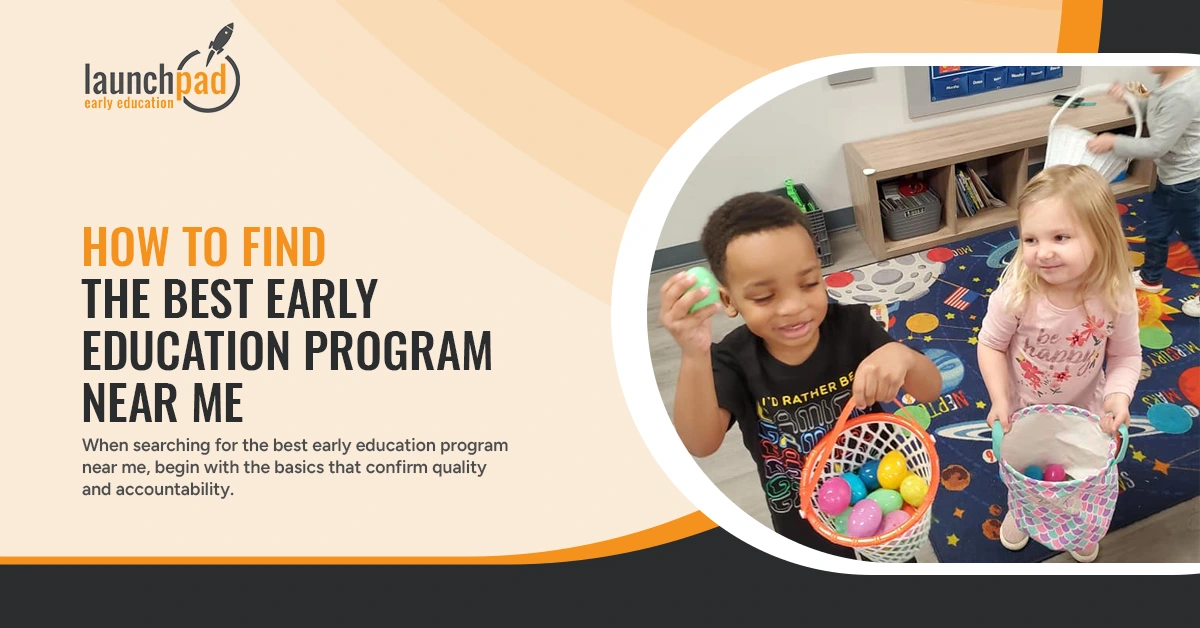
When searching for the best early education program near me, begin with the basics that confirm quality and accountability. A licensed center follows required safety standards and staff guidelines, which help protect your child’s well-being. Next, read parent reviews carefully and look for patterns, including consistent feedback about communication, classroom care, and teacher attentiveness. You can also ask neighbors, friends, or local parenting groups which centers they trust and why.
A helpful starting checklist includes:
- Current licensing and inspection history
- Verified parent reviews across multiple platforms
- A clear website with program details and policies
- A strong local reputation for safety and consistency
Tour The Center And Observe Real Classroom Routines
A tour gives you the clearest view of what daily care looks like. Watch how teachers speak to children, support transitions, and manage classroom energy. Children should appear engaged, supervised, and comforted when needed. Pay attention to cleanliness, organization, and whether learning materials are accessible. Outdoor areas should be safe, age-appropriate, and actively supervised.
Ask The Right Questions During Your Visit
A thoughtful tour includes clear questions that help you understand the program beyond appearances. Ask about curriculum goals, classroom ratios, and daily schedules. It is also essential to understand how the center supports behavior guidance and emotional development. Strong centers explain their approach with confidence and consistency.
Questions that often reveal quality include:
- How do teachers communicate progress and concerns?
- What does a typical day look like by age group?
- How do you handle conflict, redirection, and social skill building?
- How do you support children who need extra time to adjust?
Evaluate Communication Tools And Family Partnerships
The best programs prioritize strong communication because parents need to feel informed and included. Ask how updates are shared, whether through an app, daily reports, photos, or weekly newsletters. A quality center welcomes questions, shares milestones, and builds trust through transparency.
Confirm Enrollment Steps, Tuition, And Policies In Writing
Before making a final decision, review the enrollment process and all policies in detail. Ask for written tuition rates, fee schedules, and what is included. Confirm drop-off and pick-up procedures, illness policies, and how absences are handled. Clear documentation helps avoid confusion and ensures your family feels prepared from the first day forward.
Finding the right program takes time, but careful research and in-person visits can help you choose with confidence.
Signs A Program Is A Strong Fit For Your Child
One of the clearest signs of a strong program is how your child responds to the environment over time. While some adjustment is normal, children should begin to feel comfortable with their teachers, routines, and classmates. Look for signs that your child is greeted warmly, comforted when upset, and encouraged to participate at their own pace. A quality program supports emotional security, which helps children build confidence and a willingness to learn.
The Program Matches Your Family’s Routine And Values
A program can be excellent yet not the right fit if it does not align with your family’s daily needs. Consider how the schedule supports your work hours, commute, and long-term plans. It is also crucial that the center’s approach feels consistent with your parenting values, including how teachers guide behavior, support independence, and communicate expectations. When routines are aligned, children tend to transition more smoothly and feel more settled.
A good match often includes:
- A predictable schedule with consistent routines
- Policies that are clear and easy to follow
- Expectations that feel supportive, not overly strict
- A learning approach that fits your child’s personality
Teachers Build Social And Emotional Skills Daily
Early education is not only about numbers and letters. Strong programs intentionally teach children how to share, take turns, listen, express emotions appropriately, and solve simple conflicts. You may notice teachers modeling respectful communication, helping children name their feelings, and guiding positive interactions rather than resorting to harsh consequences. This type of daily support builds skills that children carry into kindergarten and beyond.
Learning Feels Engaging Without Pressure
A strong early education program creates learning experiences that feel exciting, not stressful. Children should have time for movement, creativity, and play while also building early skills through stories, songs, hands-on activities, and guided group learning. The right program supports progress without pushing children beyond what is developmentally appropriate. When children are curious, involved, and proud of what they can do, it is a strong sign they are in the right place.
Conclusion
Choosing the proper early education program is a meaningful step that supports your child’s growth, confidence, and readiness for the years ahead. By focusing on safety, teacher quality, learning approach, and communication, families can make an informed decision that feels right both academically and emotionally. The best programs create a nurturing space where children can build early skills, form strong relationships, and develop independence at a healthy pace. When you take the time to tour centers, ask thoughtful questions, and observe how children are supported each day, you can feel more confident about your final choice.
Ready to explore your options in person? Visit https://launchpad-ee.com/find-us/ or call (615) 809 2211 to learn more and schedule a visit.