

 Preschool tour questions in Murfreesboro, TN, help families gather comparable information before enrolling a child. A well-planned visit should verify how each program supports safety, learning, and social-emotional growth, while aligning with your family’s values and schedule.
Focus on essentials directly impacting daily experience and long-term development: teacher qualifications and ratios, curriculum and assessments, health and security measures, family communication practices, and availability of enrichment or support services. Arrive prepared to take notes, review policies, and request examples of classroom routines and student work. The following five questions provide a structured framework to evaluate quality and make a confident, informed choice.
1. What to Look for in a Preschool Facility to Support Daily Learning?
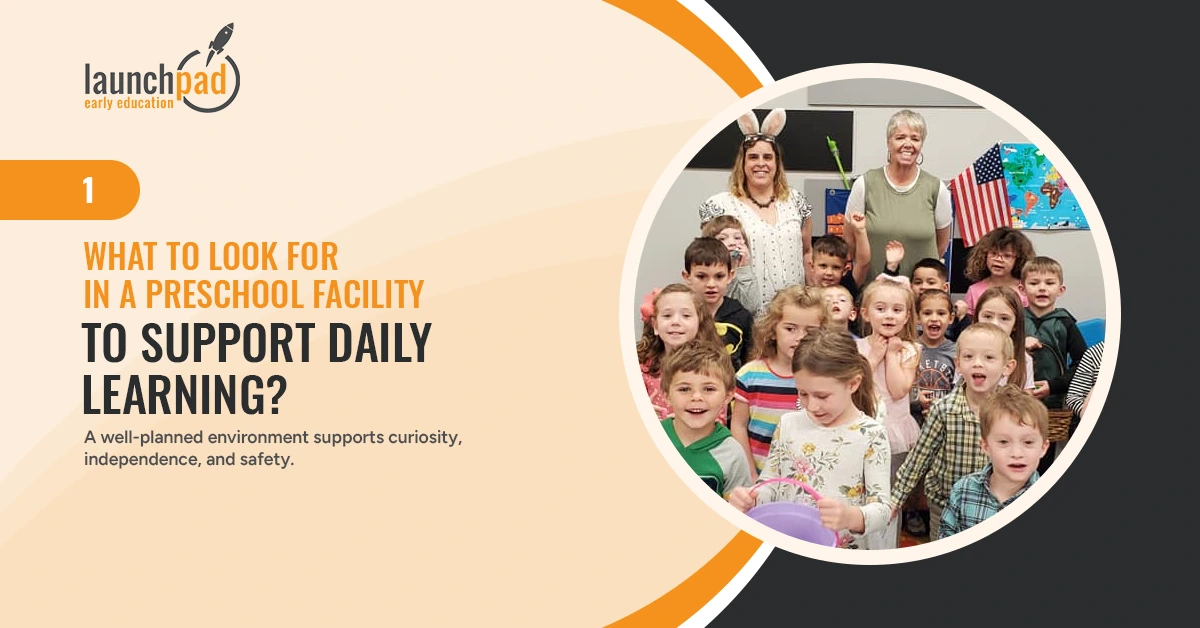 A well-planned environment supports curiosity, independence, and safety. During the tour, evaluate how each space, material, and routine contributes to focused learning, smooth transitions, and positive relationships between children, teachers, and families.
Classroom Design and Learning Centers
Seek clearly defined centers—literacy, math, science, art, dramatic play, and a quiet nook. Materials belong on low, labeled shelves to promote independence. Natural light, open sightlines, and child-sized furnishings enable supervision, calm movement, and sustained attention.
Outdoor Spaces and Gross-Motor Development
A secure outdoor area should include varied surfaces and age-appropriate climbing, balancing, and sensory play structures. Look for shade, safe fall zones, and separate areas for different ages. Confirm daily outdoor time and an indoor gross-motor option during inclement weather.
Health, Safety, and Hygiene Infrastructure
Confirm secured entry, visitor sign-in, and posted emergency routes. Outlets should be covered; furniture anchored; and cleaning supplies locked. Handwashing stations near restrooms and food areas reduce cross-contamination. Ask about ventilation, sanitation schedules, and maintenance records.
Learning Materials, Displays, and Documentation
Materials should be open-ended, culturally inclusive, and rotated to match goals. At the child’s eye level, displays of student work, photos, and brief objectives connect activities to outcomes. Look for documentation panels that note skills practiced and standards addressed.
Accessibility, Family Spaces, and Traffic Flow
Hallways, drop-off zones, and shared areas should support safe, efficient transitions. A welcoming lobby, family boards, and private meeting spaces show respect for parents. Confirm ADA accessibility, stroller parking, and clear signage to help families navigate the campus.
2. How Do Preschool Teacher Credentials in the Nashville Area Reflect Quality Instruction?
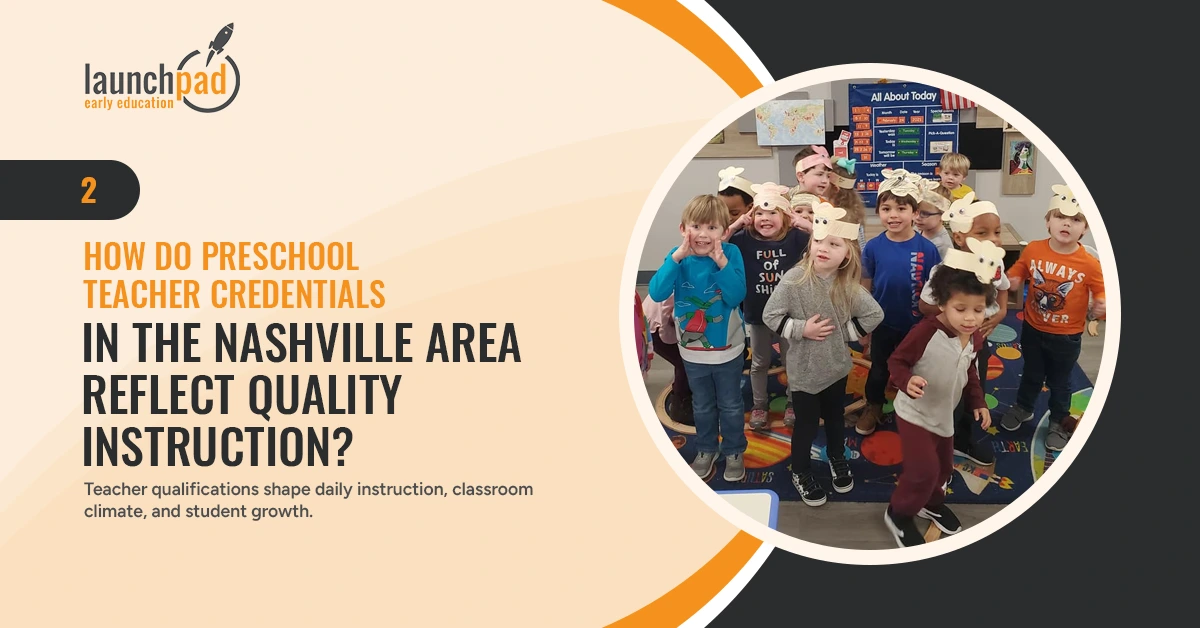 Teacher qualifications shape daily instruction, classroom climate, and student growth. During a tour, confirm how each credential translates into effective teaching, consistent safety practices, and strong family communication.
Core Qualifications and Certifications
Ask whether lead teachers hold degrees in early childhood education or related fields, a Child Development Associate (CDA), and current CPR/First Aid. Clarify any Tennessee-specific training requirements and how the school tracks renewals.
Experience, Mentoring, and Ongoing Development
Request a snapshot of staff tenure and mentoring structures. High-quality programs fund regular professional development, coaching cycles, and peer observations, then document how new strategies are implemented in lesson plans and centers.
Instructional Approach and Assessment Literacy
Credentials should align with evidence-based practice. Observe differentiated small groups, purposeful play, and clear learning objectives. Ask how teachers collect observations, portfolios, or checklists and use results to adjust instruction and interventions.
Safety, Compliance, and Professional Ethics
Credentials also reflect reliability and judgment. Verify background checks, ratio compliance, and supervision strategies across all learning areas. Ask for examples of emergency drills, medication protocols, and communication during incidents.
Family Partnership and Communication Skills
Qualified teachers partner with families through consistent updates and goal setting. Ask about conference schedules, digital daily reports, and how teachers support transitions or refer to specialists when needed. Look for respectful, timely responses that build trust and continuity between home and school.
3. Which Preschool Safety Features Protect Children Throughout the Day?
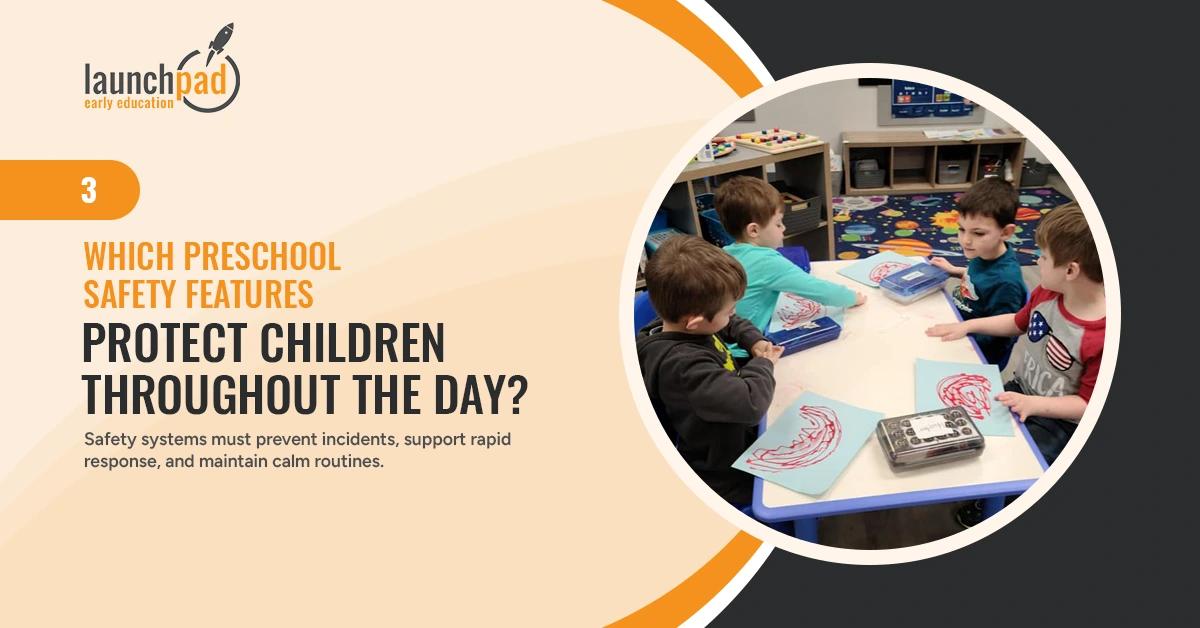 Safety systems must prevent incidents, support rapid response, and maintain calm routines. During the tour, verify how the facility layers physical security, vigilant supervision, health protocols, and practiced emergency procedures from arrival through dismissal.
Secure Entry and Visitor Management
Look for a single, controlled entrance with electronic access, camera intercoms, and identity verification. A visitor log, background check policy for volunteers, and locked interior doors limit unauthorized movement and protect classrooms during busy periods.
Supervision, Ratios, and Sightlines
Ask how ratios are maintained throughout the day, including transitions and outdoor play. Clear sightlines, convex mirrors, and staff positioning reduce blind spots. Confirm staff break coverage plans so supervision never lapses during meals, naps, or restroom trips.
Safe Environments and Hazard Controls
Check anchored furniture, covered outlets, finger-pinch guards, and gated stairways. Chemicals and medications must be locked. Playground areas require impact-absorbing surfacing, age-appropriate equipment, and routine safety inspections with documented maintenance and timely repairs.
Health and Hygiene Protocols
Handwashing stations near food and toileting areas, touchless dispensers, and posted cleaning schedules reduce illness. Ask about illness exclusion policies, allergy management, food handling certifications, medication administration procedures, staff training, and parent authorization requirements.
Emergency Preparedness and Communication
Confirm written plans for fire, severe weather, medical events, and lockdowns. Drills should be practiced and logged. Classrooms need stocked first-aid kits, updated emergency contacts, and reliable communication tools, such as two-way radios or secure apps, to coordinate responses and notify families promptly.
4. How Does the Curriculum and Assessment Approach Build Kindergarten Readiness?
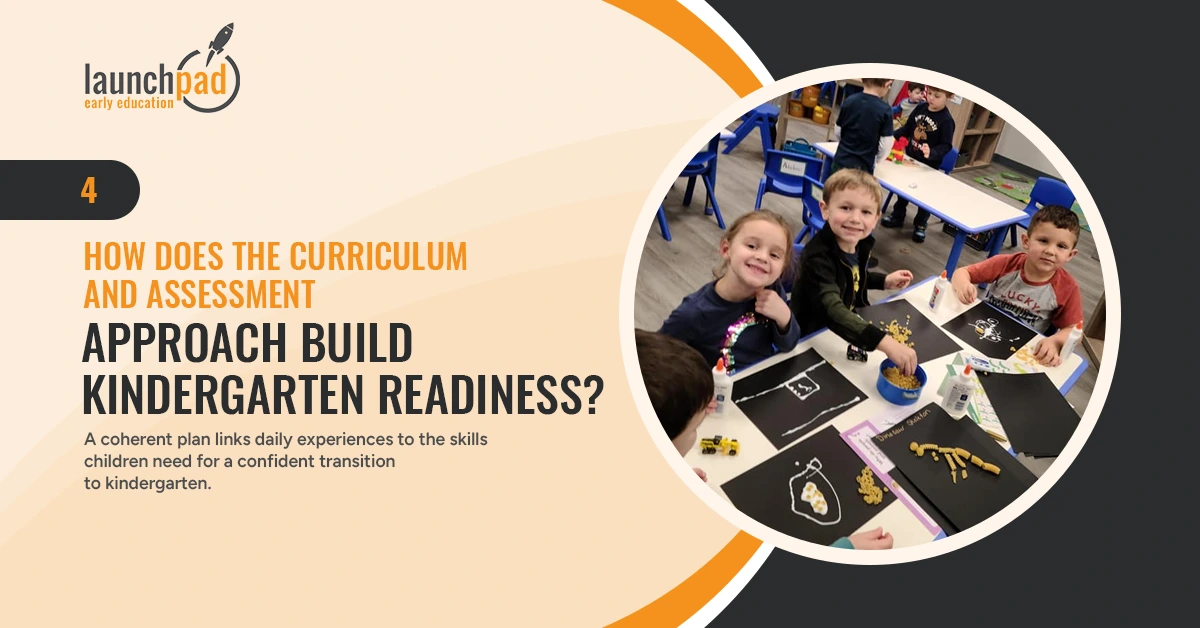 A coherent plan links daily experiences to the skills children need for a confident transition to kindergarten. During your tour, confirm how curriculum goals, teaching methods, and assessment practices work together across the school year.
Standards Alignment and Intentional Scope
Ask how the curriculum aligns with early learning standards across language, math, science, social studies, the arts, and motor development. A yearlong scope and sequence should outline skill progressions, essential questions, and embedded social–emotional objectives.
Balanced, Play-Based Instruction
High-quality programs blend explicit mini-lessons with guided centers and child-initiated exploration. Look for purposeful play that builds phonological awareness, vocabulary, number sense, inquiry, and fine-motor control through manipulatives, stories, songs, and hands-on projects.
Assessment and Ongoing Documentation
Teachers should collect observations, work samples, and brief checks for understanding to track growth. They should also ask how portfolios, anecdotal notes, and developmental checklists inform weekly plans, small-group instruction, and individual goals.
Differentiation and Early Supports
Readiness grows when instruction meets each child’s current level. Inquire about flexible grouping, targeted interventions, and collaboration with specialists. Confirm practices for supporting multilingual learners and providing accommodations that maintain participation and dignity.
Social–Emotional Learning and Executive Skills
Kindergarten readiness includes self-regulation, persistence, and cooperative problem-solving. Look for routines that teach turn-taking, conflict resolution, task completion, and visuals and cues that help children manage transitions.
Family Partnership and Transparency
Progress should be shared clearly and regularly. Ask about conference schedules, progress reports, and digital updates that translate assessment data into practical strategies families can use at home to reinforce emerging skills and confidence.
5. How Do Family Communication Practices and Policies Strengthen Partnership?
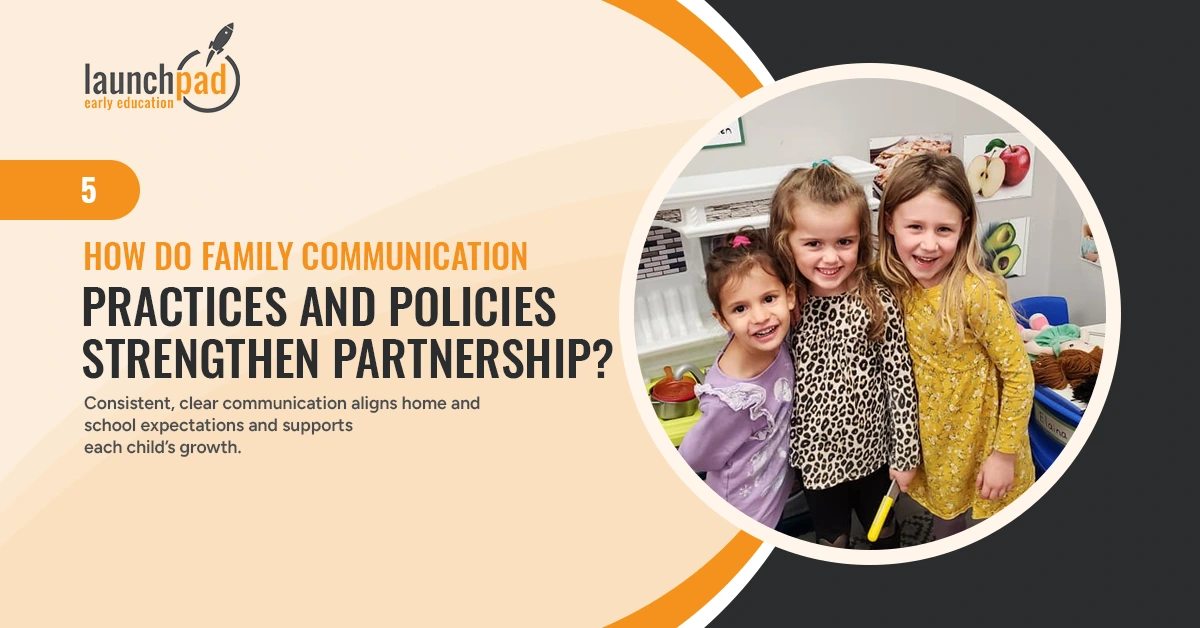 Consistent, clear communication aligns home and school expectations and supports each child’s growth. During a tour, review how the program structures updates, invites two-way dialogue, protects privacy, and includes all families with reliable, accessible systems.
Communication Channels and Frequency
Ask which tools are used for daily and weekly updates, such as secure apps, folders, or email summaries. Confirm predictable rhythms for classroom news, learning goals, photos, and reminders so families know when to expect information.
Transparency and Documentation
Strong programs share calendars, curriculum outlines, and policies in writing. Look for classroom boards or digital hubs with routines, unit themes, and upcoming events. Request sample newsletters or progress notes to see how learning is explained in family-friendly language.
Two-Way Feedback and Problem Resolution
Partnership improves when families can ask questions and receive timely responses. Ask about office hours, response-time expectations, and conference schedules. Confirm a clear process for addressing concerns, documenting actions, and following up until issues are resolved.
Privacy, Consent, and Professional Boundaries
Children’s information should be protected. Verify photo and video consent procedures, student confidentiality practices, and secure data storage. Ask how staff handle sensitive topics, share incident reports, and escalate matters that require administrative involvement.
Inclusivity and Accessibility
Effective communication reaches all families. Ask about translation options, visual supports, and accessible formats. Confirm that messages consider varied work schedules and offer alternatives such as printed notes, phone calls, or virtual meetings to maintain consistent participation at home and school.
Conclusion
Choosing a preschool is a decision that shapes a child’s early learning and daily experience. Focus on tangible evidence of quality: a well-organized facility that supports exploration, teachers with proven credentials and ongoing training, layered safety systems, a coherent curriculum tied to standards, and transparent communication that involves families as partners. Use your tour to verify how these elements work together in real classrooms, during transitions, and across the school year. Document what you observe, ask for examples, and compare programs with the same criteria. A thoughtful process leads to a confident enrollment choice and a strong start to kindergarten.
Schedule a visit to see how these practices come to life. Call (615) 809 2211 or learn more at https://launchpad-ee.com/find-us/.