

9 Back-To-School Tips Every Preschool Parent Needs This September
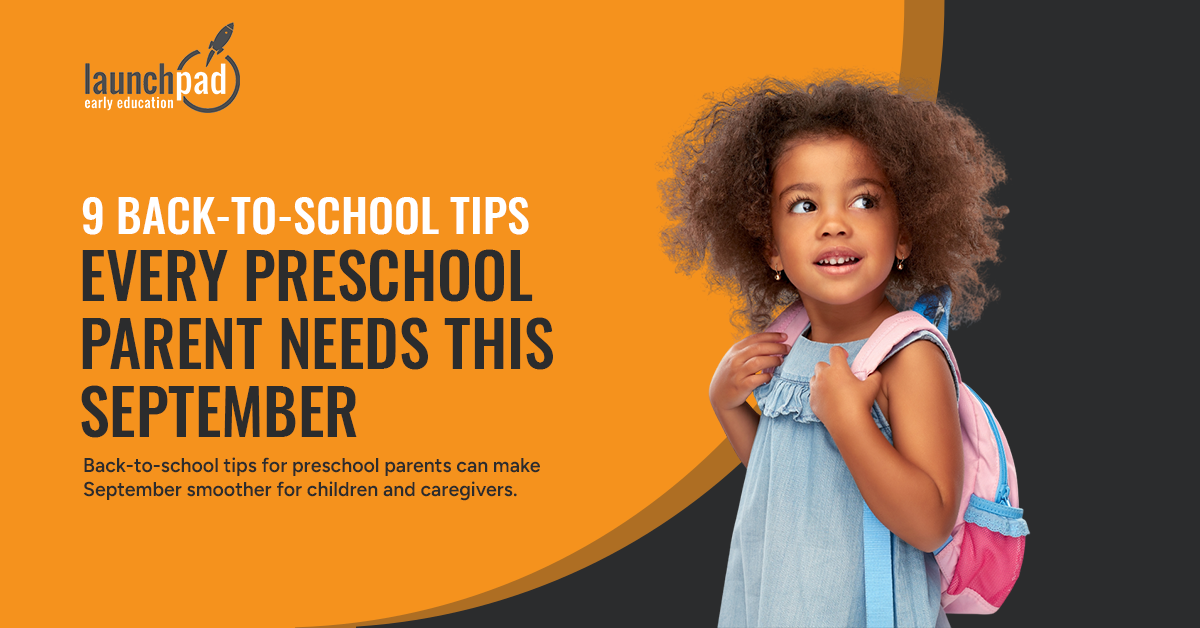
Back-to-school tips for preschool parents can make September smoother for children and caregivers. A clear plan reduces first-day nerves, supports healthy routines, and establishes a positive partnership with teachers. This guide highlights practical steps that matter in the first weeks: setting predictable bed and wake times, preparing labeled essentials, practicing drop-off routines, and building comfort with classroom expectations.
It also covers communication habits that keep families informed, from reading daily notes to sharing updates about allergies or new skills. With thoughtful preparation and steady reassurance, preschoolers enter the school year ready to engage, explore, and grow.
Preschool Morning Routine Tips: Build Predictable Start-of-Day Habits
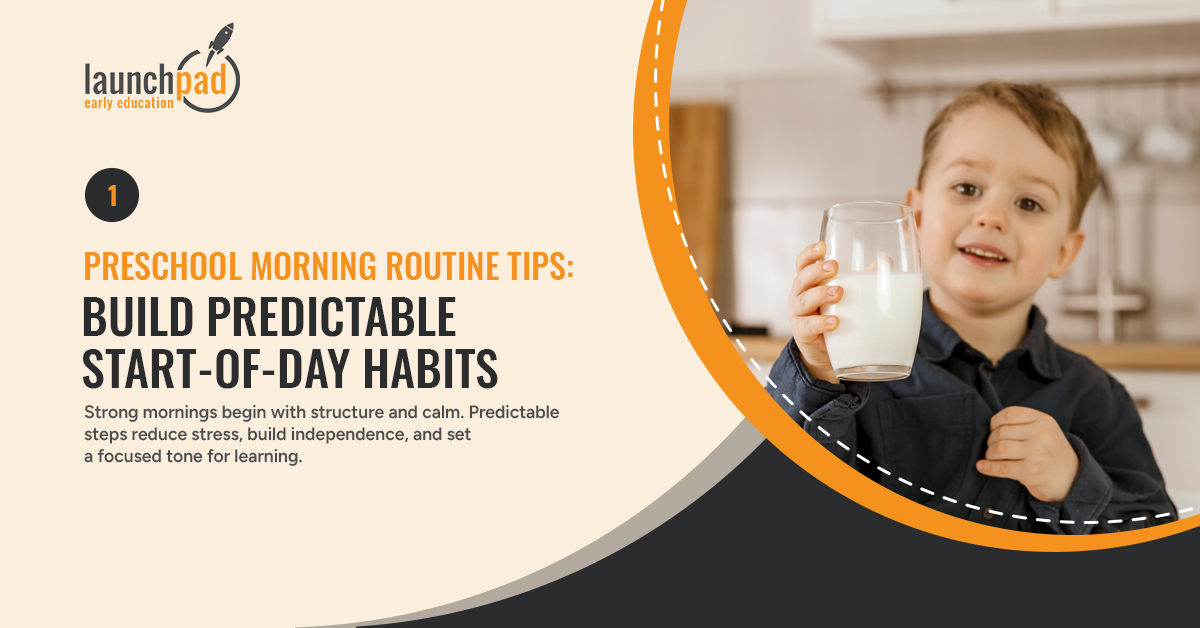
Strong mornings begin with structure and calm. Predictable steps reduce stress, build independence, and set a focused tone for learning.
- Set consistent wake, breakfast, and departure times; keep the cadence steady each day.
- Prepare the night before: weather-checked outfit, backpack, required forms, and a labeled water bottle.
- Use a visual schedule with five to six picture steps; point to each step as you proceed.
- Limit choices to two options for clothing and breakfast to prevent delays.
- Practice self-help skills—shoes, zippers, lunch containers—to strengthen confidence.
- Serve a balanced breakfast and fill the water bottle; avoid screens before school.
- Create an exit zone near the door for shoes, a backpack, and a jacket.
- Use a brief, positive goodbye script and confirm the pickup plan.
- Add a gentle transition timer; adjust only one routine element at a time.
With clear cues, limited choices, and evening preparation, children arrive regulated, on time, and ready to engage.
Easing Separation Anxiety Preschool: Create Calm, Consistent Goodbyes
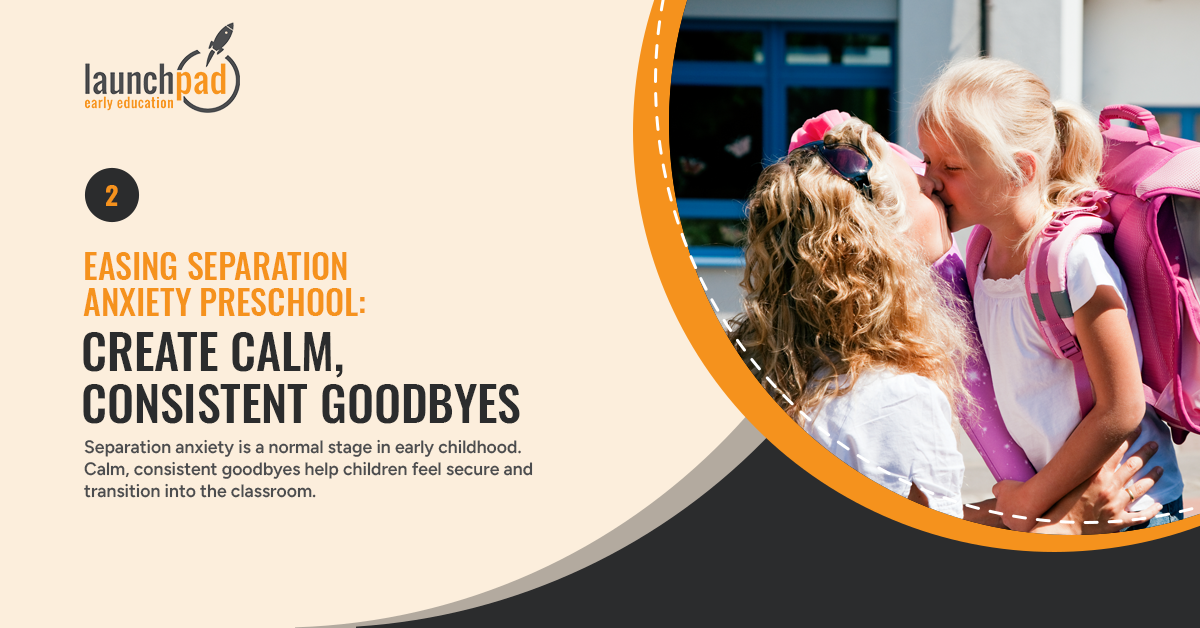
Separation anxiety is a normal stage in early childhood. Calm, consistent goodbyes help children feel secure and transition into the classroom.
- Create a predictable drop-off routine with the same steps each day.
- Use a brief goodbye script; pair words with a warm, firm hug.
- Do not linger or sneak away; signal trust and teacher partnership.
- Offer a small comfort item if allowed; label and explain its use.
- Preview the day’s plan and who will pick up; name the time.
- Normalize feelings: “It’s okay to feel sad; you’re safe with Ms. Lee.”
- Practice short separations at home to build confidence gradually.
- Hand off to the teacher, then depart; allow staff to guide next steps.
- Request a check-in update per school policy after the initial transition.
- Celebrate returns with specific praise to reinforce successful separations.
With stable routines, supportive language, and coordinated handoffs, preschoolers build resilience and ease goodbyes over time.
First Day of Preschool Advice: Set Expectations and Practice
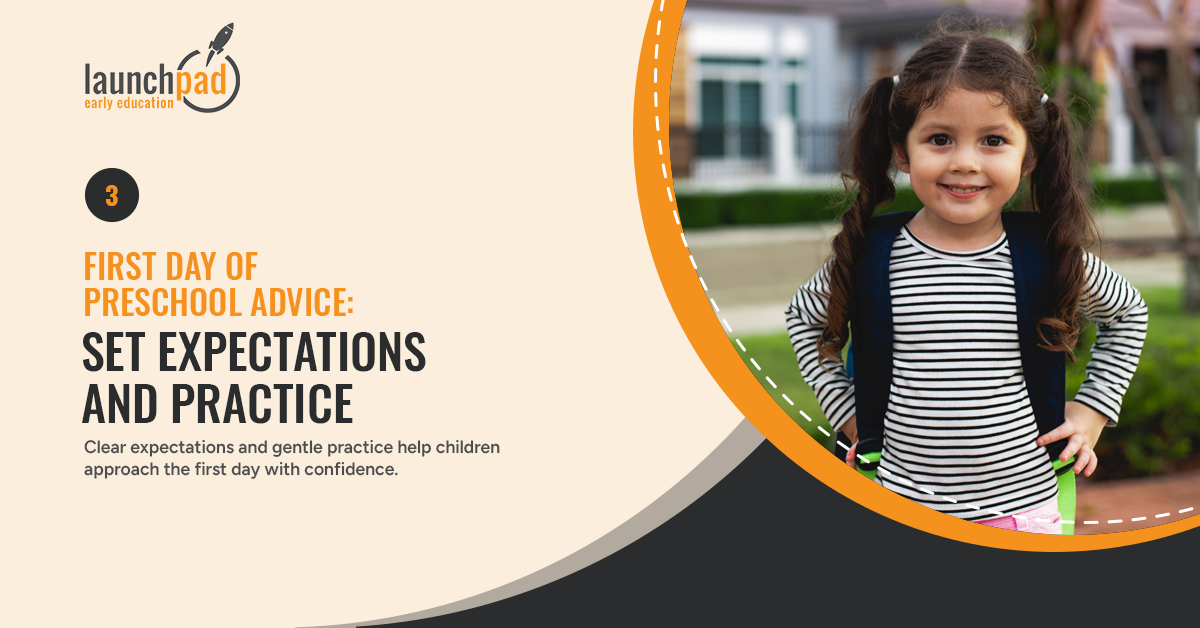
Clear expectations and gentle practice help children approach the first day with confidence. Use simple, concrete steps so your child knows what to expect and how to participate.
- Visit the classroom or take a virtual tour; show photos and name the teacher.
- Rehearse drop-off at home; use a brief goodbye script and keep it steady.
- Walk through the sequence: cubby, handwashing, attendance, and where to line up.
- Read picture books about starting school; discuss feelings and coping strategies.
- Prepare and label essentials: change of clothes, snack, medications, and forms.
- Practice self-help skills: shoes, zippers, opening containers, and toileting reminders.
- Confirm the pickup plan and caregiver; tell your child the exact plan.
- Reset sleep: early bedtime and consistent wake time during the prior week.
- Pack a small comfort item if allowed; review where it stays during the day.
- Arrive a few minutes early, follow staff guidance, say goodbye, and depart.
This preparation supports smooth transitions and a positive first school experience.
Pack Smart: Label Essentials and Prepare the Night Before

Evening preparation reduces morning stress and prevents missing items. Clear labels, simple systems, and child-friendly containers help children participate independently.
- Label every item: backpack, lunchbox, water bottle, outerwear, and shoes.
- Add contact information inside the backpack and lunchbox.
- Pack a weather-appropriate change of clothes in a sealed, labeled bag.
- Check program policies for comfort items and medications; include required forms.
- Choose containers your child can open and close; practice at home.
- Pre-fill a water bottle and refrigerate; confirm it fits classroom guidelines.
- Prepare lunch and snacks with balanced options and minimal wrappers.
- Tuck folders, notes, and signed papers into a consistent pocket.
- Stage seasonal gear near the door: hat, mittens, raincoat, or sunscreen per policy.
- Avoid toys unless specifically requested by the teacher.
- Place the backpack by the exit with the shoes set beside it.
- Do a quick checklist review before bedtime to confirm readiness.
This routine supports punctual drop-offs and helps children arrive organized and confident.
Healthy Sleep and Screen Habits: Reset for School Readiness
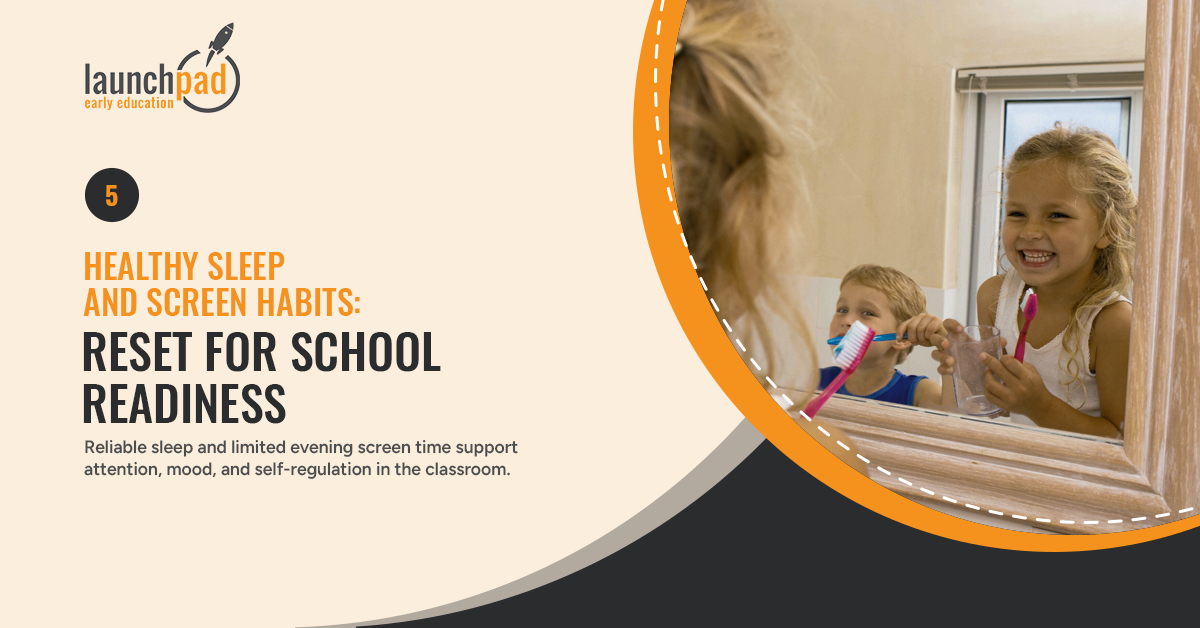
Reliable sleep and limited evening screen time support attention, mood, and self-regulation in the classroom. A steady routine helps children fall asleep faster and wake rested for school.
- Aim for 10–12 hours of overnight sleep, with naps scheduled early in the afternoon if needed.
- Keep consistent bed and wake times within a small range, including weekends.
- Create a calm wind-down: bath, pajamas, brush teeth, quiet book, lights out.
- Avoid screens for at least 60 minutes before bedtime; remove devices from the bedroom.
- Use morning light to anchor the body clock; open curtains soon after waking.
- Encourage active play during the day and quiet play in the evening.
- Keep the sleep space cool, dark, and quiet; consider white noise if helpful.
- Limit sugary foods and avoid caffeine; finish dinner two to three hours before bed.
- If nighttime worries arise, use a brief, reassuring script and return to routine.
With consistent rhythms and screen-free evenings, children arrive focused, regulated, and ready to learn.
Nutrition and Lunch Strategies: Balanced Snacks and Hydration
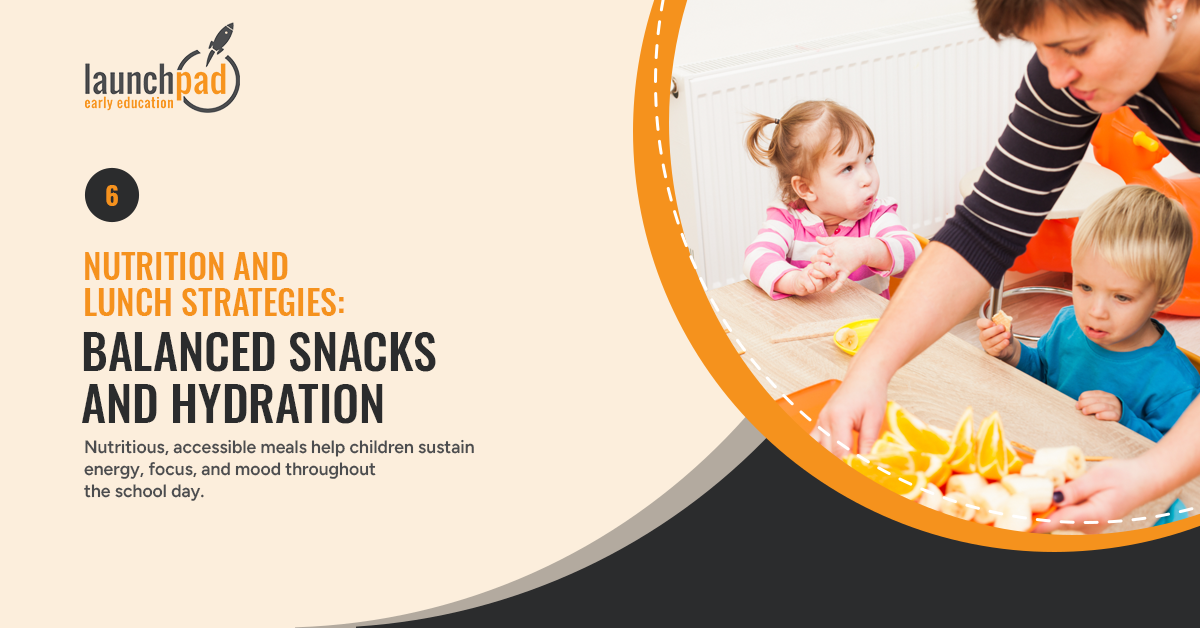
Nutritious, accessible meals help children sustain energy, focus, and mood throughout the school day. Plan simple combinations children can open independently and finish within the allotted time.
- Aim for balance at each meal: protein (yogurt, hummus, turkey), whole grains (whole-wheat pita, brown-rice crackers), colorful produce, and a healthy fat (avocado, nut/seed butter if permitted).
- Pack bite-size portions to reduce waste and support self-feeding; cut grapes and firm foods per safety guidance.
- Use containers your child can open and close; practice at home to build confidence.
- Keep food safe: include ice packs for perishables or a pre-heated thermos for warm items.
- Label lunchbox, water bottle, and utensils; add contact information inside the bag.
- Check allergy and classroom policies; avoid shared allergens and send clearly labeled alternatives.
- Prioritize water for hydration; send a filled, labeled bottle and encourage refills.
- Limit sugary drinks and highly processed snacks; choose minimally sweetened yogurt and whole fruit.
- Add a small cloth or wipes to support clean, independent eating.
Consistent, balanced choices promote steady energy and successful participation in classroom routines.
Communication With Teachers: Share Updates and Read Daily Notes
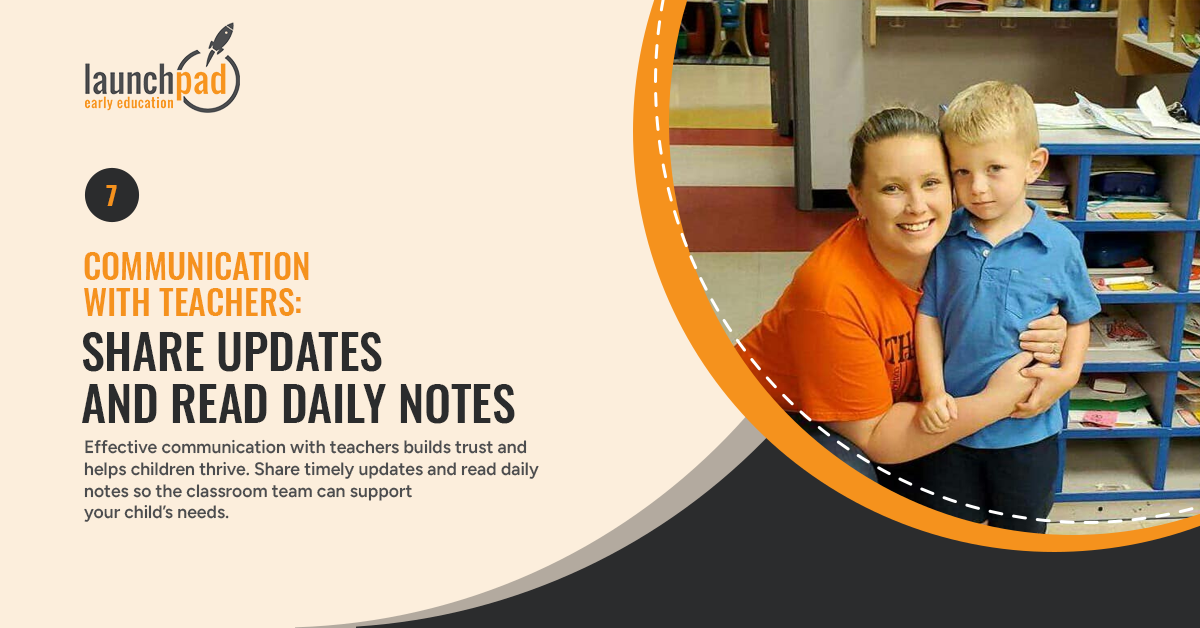
Effective communication with teachers builds trust and helps children thrive. Share timely updates and read daily notes so the classroom team can support your child’s needs.
- Provide health updates: allergies, medications, recent illness, sleep quality, toileting, and appetite changes.
- Share family logistics: who is picking up, transportation plans, schedule changes, and travel dates.
- Use the program’s preferred channels: daily folder, school app or portal, or email.
- Read daily notes each afternoon; sign or acknowledge forms and reminders as required.
- Ask concise questions; request a brief check-in or scheduled conference for deeper topics.
- Follow communication windows and response times; call the office for time-sensitive matters.
- Send labeled medications with completed documentation; keep emergency contacts and permissions current.
- Celebrate progress with specific examples from notes; reinforce skills at home.
Consistent, respectful communication strengthens the school and home partnership and supports safety, learning, and well-being.
Social and Self-Help Skills: Encourage Independence and Kindness
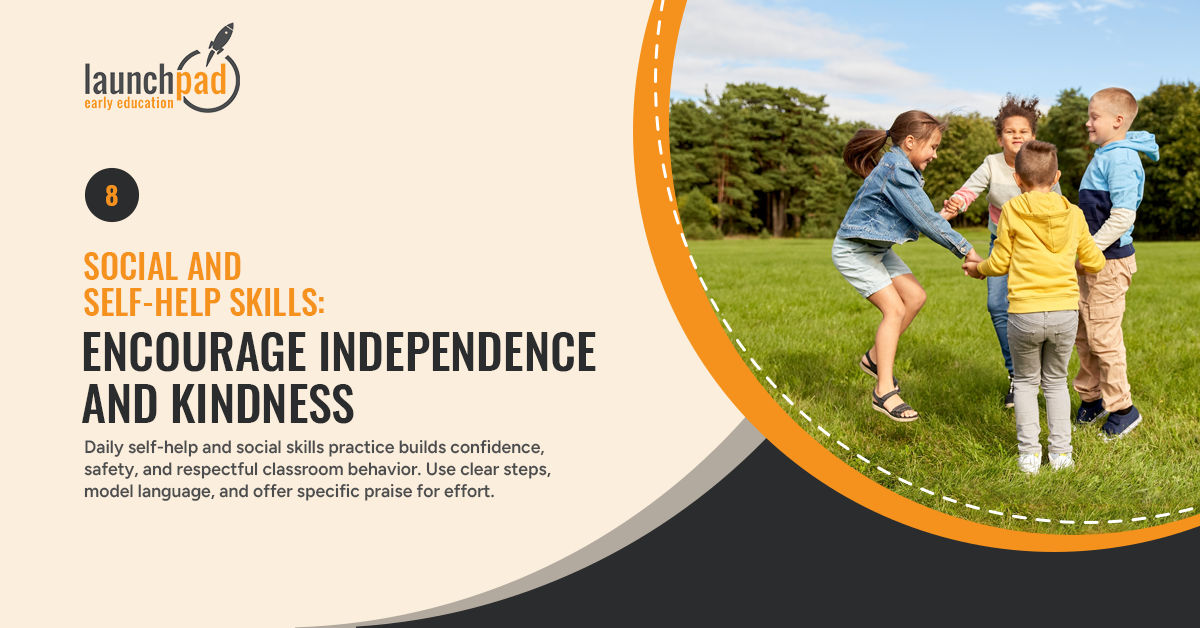
Daily self-help and social skills practice builds confidence, safety, and respectful classroom behavior. Use clear steps, model language, and offer specific praise for effort.
- Personal care: Practice the handwashing sequence (wet, soap, scrub 20 seconds, rinse, dry). Reinforce toileting routines; pack a labeled change of clothes.
- Dressing skills: Encourage wearing shoes, fastening zippers, and managing layers.
- Lunch independence: Rehearse opening containers, using utensils, and packing when finished.
- Organization: Have your child carry the backpack, hang a jacket on a hook, and return items to the cubby.
- Kind language: Practice greetings, “please,” and “thank you,” and waiting for a turn.
- Emotion skills: Name feelings, use slow breaths, and ask for help with a calm script.
- Problem-solving: Teach fair solutions—trade, take turns with a timer, or choose another activity.
- Safety habits: Use walking feet indoors, gentle hands, and listening ears for teacher directions.
Consistent routines at home and school, paired with brief, specific praise, strengthen independence and kindness throughout the day.
Safety and Health Checks: Carline, Illness Policies, and Allergies
Clear procedures protect children and keep transitions efficient. Review program guidelines and prepare required documentation before the first day.
- Follow posted carline instructions; display the family name placard, remain in the vehicle, and seat children on the curbside for safe handoffs.
- Use age-appropriate car seats and harnesses; secure buckles before moving forward in the line.
- Keep pickup permissions current; list all authorized caregivers and ensure they carry photo ID.
- Share custody notes or special instructions with the office and classroom teacher.
- Complete health forms and medication authorizations; send medications in original, labeled containers.
- Provide an allergy action plan; supply labeled epinephrine auto-injectors or inhalers and confirm storage locations.
- Label lunchboxes and snacks; follow classroom allergen policies and avoid restricted foods.
- Monitor morning health: keep children home for symptoms per school policy and return only when criteria are met.
- Review handwashing, cough etiquette, and classroom hygiene routines with your child.
- Enroll in emergency alerts and understand drill procedures, early dismissals, and weather-related changes.
Consistent adherence to safety and health policies supports a calm, secure school day.
Conclusion
A strong September begins with predictable routines, clear expectations, and steady communication. When families prepare the night before, practice calm goodbyes, and reset sleep and nutrition, children arrive ready to participate and learn. Labeling essentials, encouraging self-help skills, and following safety and health guidelines reduce stress for everyone and protect valuable classroom time. Small, consistent steps—visual schedules, limited choices, timely updates to teachers—build confidence and independence that carry through the year. Progress matters more than perfection; celebrate each successful drop-off, each new skill, and each day your child feels secure and engaged at school.
For location details or guidance about your child’s transition, call (615) 956-0383 or visit https://launchpad-ee.com/find-us/.